
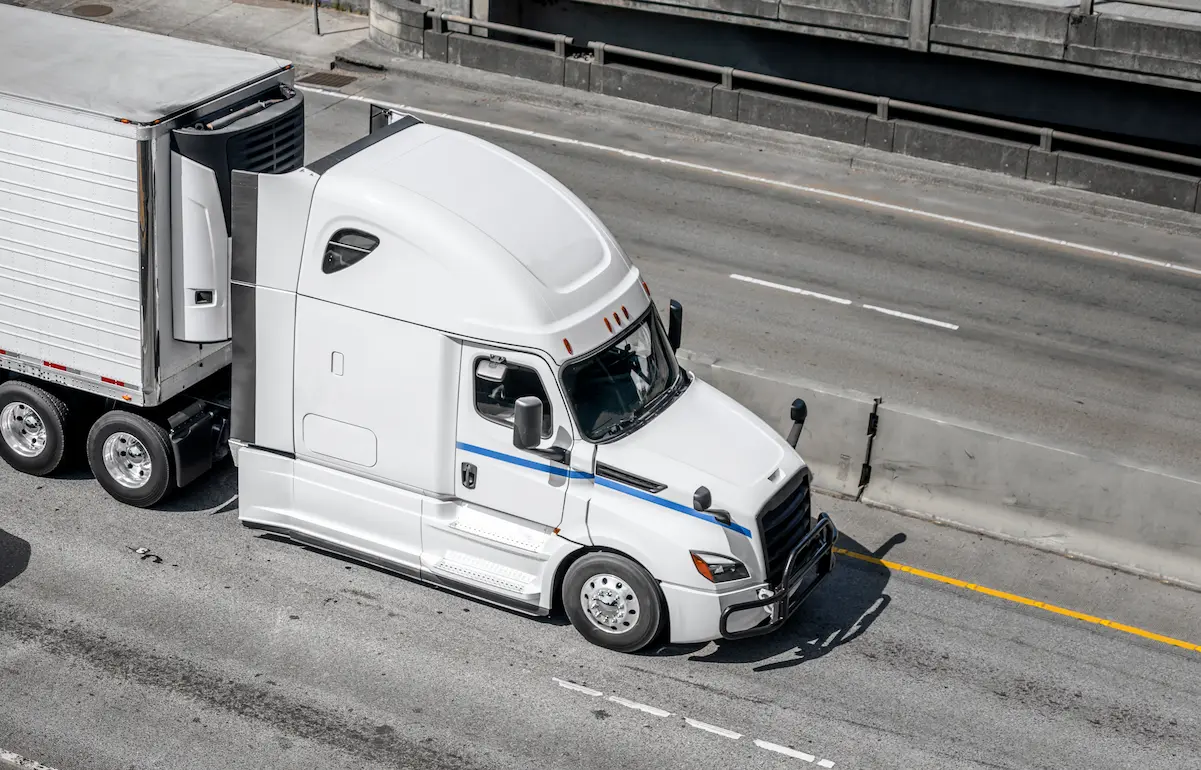
A reefer unit failing mid-route doesn't just mean a repair bill. It means a load of product that may no longer be sellable, a customer claim, and in food and pharma freight, a potential FSMA or regulatory issue on top of the mechanical one. Reefer maintenance carries a different weight than standard fleet maintenance because the cargo, not just the truck, is on the line.
Key takeaways:
A standard trailer or box truck failing doesn't usually put the cargo itself at risk. A reefer unit does. That single difference changes how maintenance should be prioritized and scheduled compared to the rest of a mixed fleet.
Component
Common Failure Point
Consequence if Missed
Compressor
Wear, refrigerant leaks, bearing failure
Loss of cooling, load spoilage
Refrigerant charge
Slow leaks reducing system efficiency
Unit runs continuously without reaching setpoint
Door seals and gaskets
Cracking, warping, loss of seal
Temperature fluctuation, energy loss
Evaporator and condenser coils
Dirt and debris buildup
Reduced airflow, inconsistent cooling
Temperature recorders
Sensor drift, calibration loss
Inaccurate logs, compliance exposure
For fleets running mixed configurations, reducing risk on specialty vehicles means treating reefer units as their own maintenance category rather than folding them into a general trailer schedule.
Reefer fleets carrying food or pharmaceutical products operate under a compliance layer that dry van fleets don't. Continuous temperature logs, calibrated sensors, and documented corrective action when a unit drifts out of range aren't optional extras. They're often the first thing a customer or auditor asks for after a claim.
A maintenance program that keeps sensors calibrated and logging systems functioning is doing double duty: protecting the mechanical uptime of the unit and protecting the fleet's compliance standing with shippers who have their own regulatory obligations to meet.
Reefer units work harder in some conditions than others, and service intervals should reflect that rather than running on a flat calendar schedule.
This is the same logic behind adjusting maintenance for coastal versus inland conditions, applied specifically to the added complexity of a refrigeration system rather than just the chassis and drivetrain.
Reefer units belong in a fleet's specialty vehicle maintenance planning rather than treated as a standard trailer with an extra component bolted on. The refrigeration system has its own failure modes, its own compliance requirements, and its own cost of downtime, and a maintenance schedule that doesn't account for that gap tends to find out the hard way, usually mid-route with a load already at risk.
How often should a reefer unit be serviced compared to a standard trailer? More frequently in most cases. Compressor checks, refrigerant charge verification, and seal inspections typically need to happen on a shorter interval than the structural and brake checks on a standard trailer, especially on routes with heavy door-cycle use or extended hot-weather operation.
What's the most common cause of reefer temperature failures on the road? Refrigerant leaks and door seal degradation are among the most frequent causes. Both can develop gradually and go unnoticed until the unit struggles to hold setpoint under load.
Do reefer units need separate compliance documentation from the rest of the fleet? Yes, particularly for food and pharmaceutical freight. Continuous temperature logs and sensor calibration records are often required in addition to standard DOT maintenance documentation.
Can mobile maintenance service reefer units the same way it services standard trucks? Yes. On-site diagnostics and repair for compressors, seals, and refrigerant systems can be handled at a yard or delivery location, which reduces the time a reefer unit sits idle and unable to protect cargo.


Torque™ by Ryder is a trademark of Ryder System, Inc. ©2025 Ryder System, Inc.

