
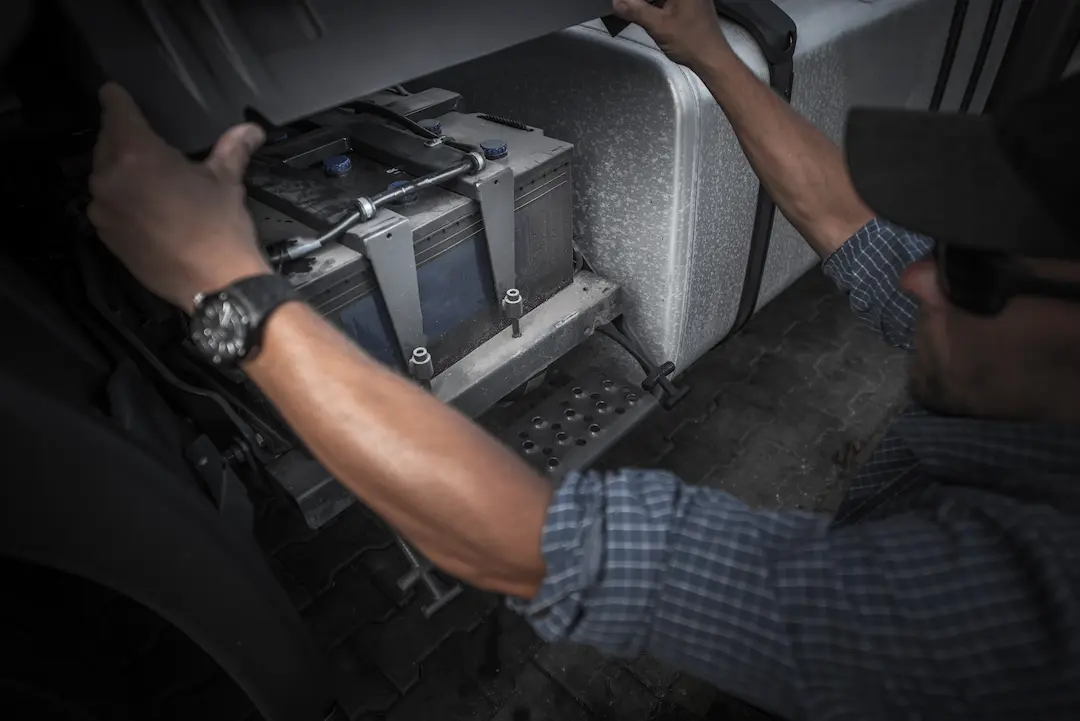
Battery problems create the most frustrating kind of downtime because they often feel random. In reality, most fleet battery failures come from predictable causes: the battery is undercharged, the charging system is weak, connections add resistance, or something is pulling power while the vehicle is off.
With a consistent testing cadence, a clear replacement policy, and a repeatable parasitic draw process, you can turn battery failures into a managed category instead of a weekly surprise.
Short trips, long idle time, and heavy accessory use can prevent batteries from fully recharging, even when vehicles are “busy.” That is why tightening your preventive maintenance routines is often the fastest way to reduce no-starts.
Heat speeds up internal battery breakdown, and vibration can loosen clamps and grounds over time, especially on work trucks and vehicles that operate on rough roads. If you see recurring failures in specific operating conditions, that is a good sign your inspection points need to be more consistent inside your preventive maintenance process.
Telematics, dash cams, inverters, upfit lighting, liftgates, and idle management systems all add draw. Individually they seem small. Combined, they shorten battery life and expose wiring issues faster.
A parasitic draw is power consumption after the vehicle is off. In fleets, it is common after upfits, electronics installs, or wiring repairs. It can drain a good battery in 24 to 72 hours without showing obvious symptoms until the vehicle will not start.
If battery issues are showing up as last-minute fire drills, treat them like any other unplanned downtime event and standardize the response the same way you would for other reliability failures.
Before any meter touches the vehicle, check for:
A large percentage of “bad battery” tickets are actually cable, clamp, or ground issues.
Open-circuit voltage tells you state of charge, not health. A weak battery can show decent voltage and still fail under load.
For fleet operations, consistency matters most:
Pick one as your standard, document it, and record results so trends are visible across the fleet.
Many battery replacements fail again because the alternator, belt, or wiring was the real problem. During battery checks, also verify:
These checks fit naturally into the kind of standardized approach described in preventive fleet maintenance best practices.
A clear replacement policy reduces debate and prevents “one more week” decisions that turn into a tow.
A practical fleet policy usually combines:
If your fleet uses dual batteries, mixed age and mixed strength often leads to repeat failures. Consider replacing as a set when one fails or when test results show a meaningful imbalance.
A quick battery health sweep before winter and before peak summer heat catches weak units when it is cheap to fix. It also prevents the compounding costs that show up when maintenance gets pushed out, which is the same pattern described in the true cost of deferred maintenance.
Document:
This prevents chasing normal draw when the root cause is usage or install variance.
Modern vehicles take time to power down fully. If you test too early, you measure normal activity and get a false “high draw.” Use a simple checklist so techs wait the correct amount of time for the vehicle type.
Common approaches include a low-current clamp meter designed for parasitic draw or an in-line meter setup using a consistent procedure. The goal is repeatability and avoiding accidental module wake-ups.
Once excessive draw is confirmed:
The most reliable repairs usually include proper wiring repair, replacing intermittent relays, and adding timers or low-voltage cutoffs for accessories. If repeat electrical issues are showing up after installs, that is usually a process gap, not a technician skill issue.
A simple fleet-ready cadence:
If you are already tracking performance and reliability, adding battery incidents into your scorecard is an easy win because it maps directly to uptime. Many fleets start by tying this to maintenance KPIs so battery issues show up as a measurable trend instead of anecdotal complaints.
If you are seeing repeat no-starts across a specific vehicle group, upfit type, or route pattern, it usually points to inconsistent testing, inconsistent install standards, or incomplete charging system checks.


Torque™ by Ryder is a trademark of Ryder System, Inc. ©2025 Ryder System, Inc.

